
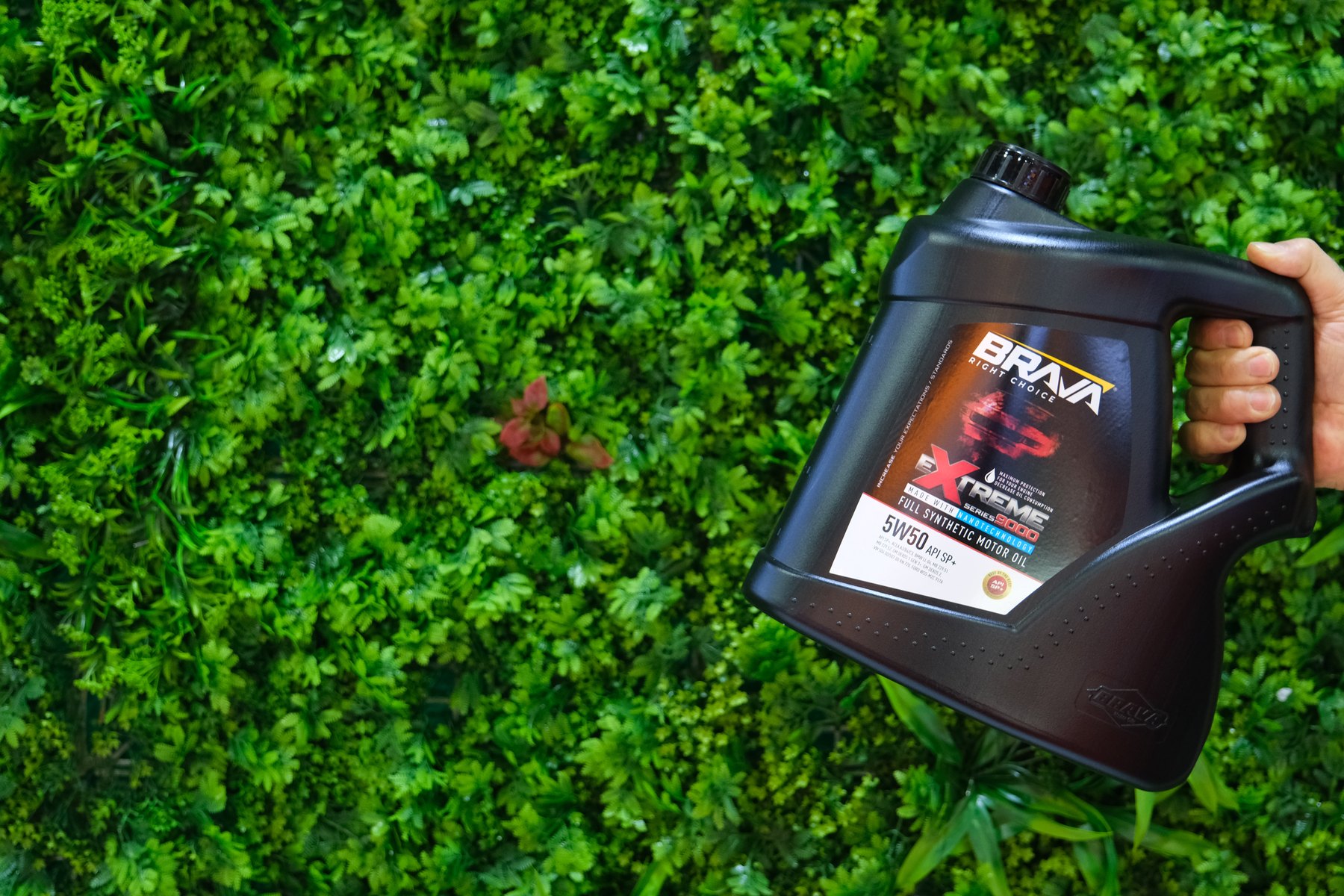
Products
200+ products.
Organized by problem.
Every product in this range exists because a workshop or an owner kept describing the same failure.
One range,
two jobs.
Understand these two and you understand the whole line — including which product to reach for when a customer describes a problem instead of a viscosity.
The problem line
Additives engineered for one named failure each: the engine that burns oil, the injector that fouls, the DPF that clogs, the radiator that leaks.
The full lubricant range
Complete engine oil coverage across passenger, motorcycle and heavy commercial — plus transmission fluids, antifreeze, brake fluids and shock absorber oil. The whole workshop, one supplier.
Named failures.
Named answers.
These are the products people search for by problem, not by brand.
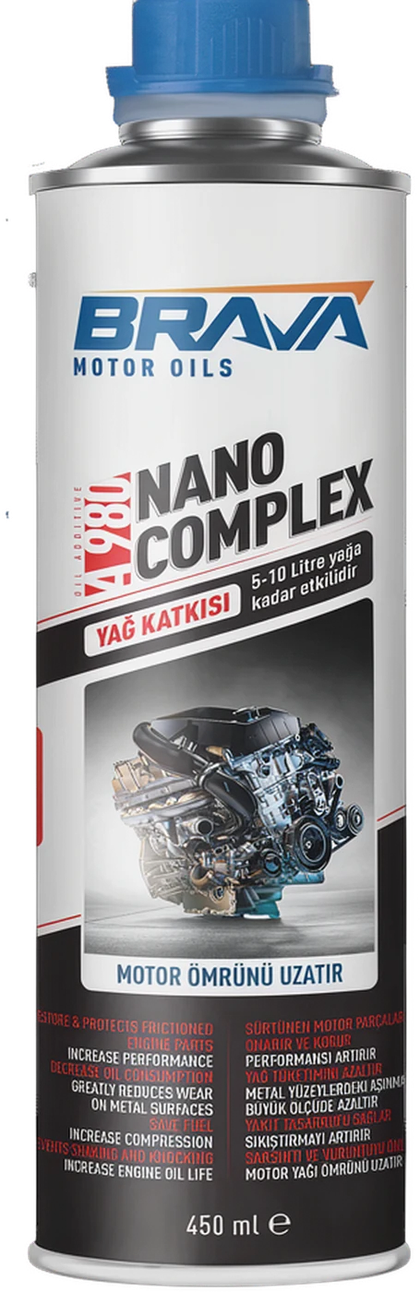 A980 · The best seller
NanoComplex
For the engine that drinks oil. Built for worn clearances and rising consumption — the single product that made this brand's name.
Open the product →
A980 · The best seller
NanoComplex
For the engine that drinks oil. Built for worn clearances and rising consumption — the single product that made this brand's name.
Open the product →
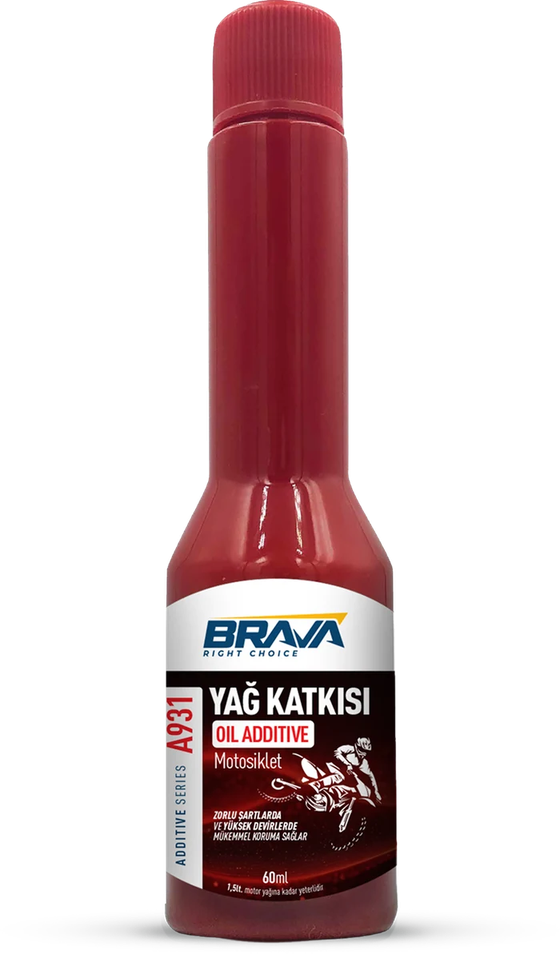 A931 · Built for two wheels
Lupro Max A931
A motorcycle is not a small car. Engineered for the wet clutch and the shared gearbox, so protection never arrives at the cost of clutch feel.
Open the product →
A931 · Built for two wheels
Lupro Max A931
A motorcycle is not a small car. Engineered for the wet clutch and the shared gearbox, so protection never arrives at the cost of clutch feel.
Open the product →
T1 Nanotech — our fuel additive brand, created in 2005 and now a segment of its own in Türkiye. See the S50 fuel additive →
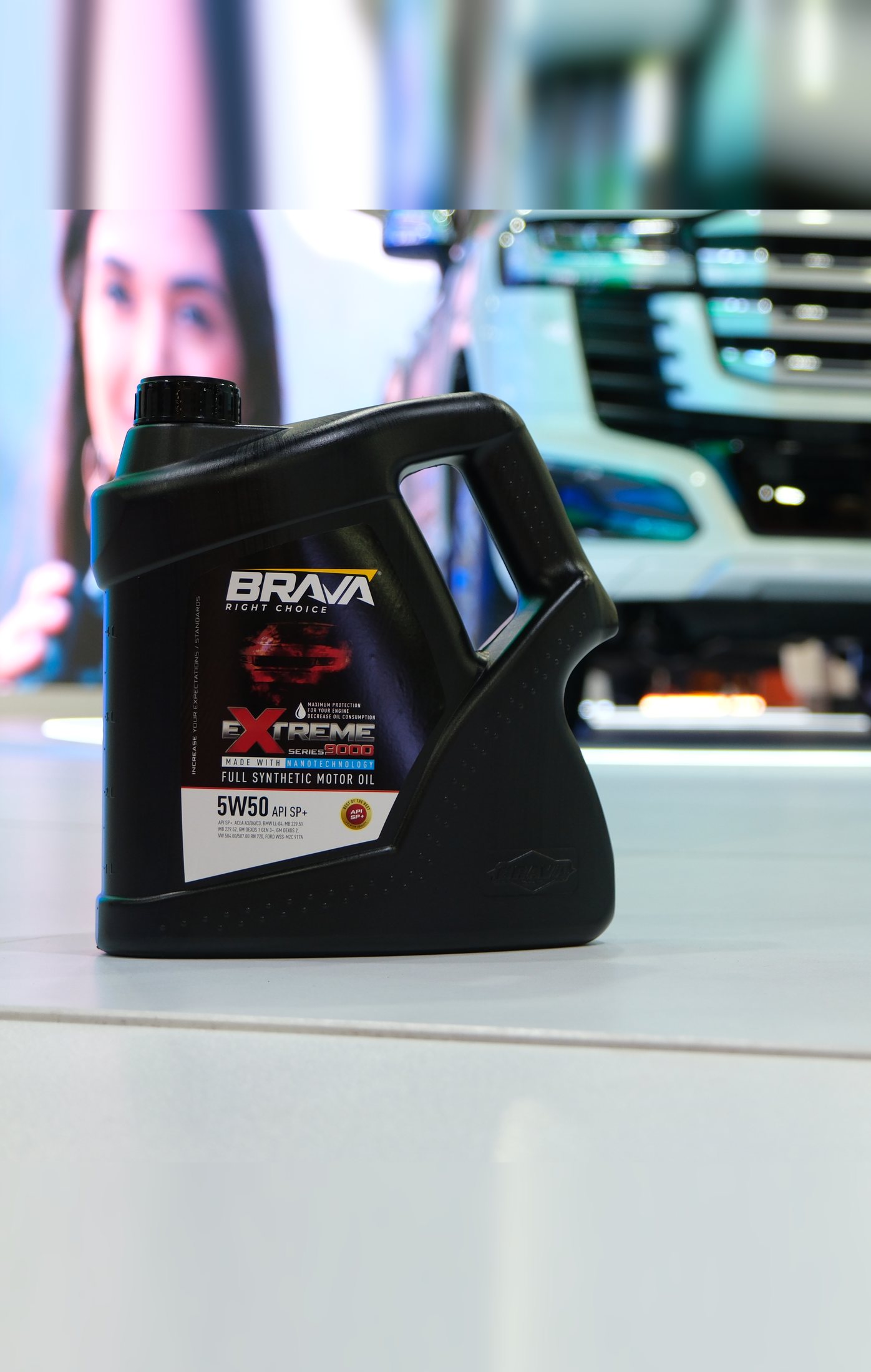
Extreme 9000.
The whole road, one family.
Our top line — fully synthetic, built on premium base stocks and our own T1 nanotech additive package. One family covers the car in the driveway, the bike in the garage and the truck on the long haul.
- Passenger — 0W20 · 0W30 · 0W40 · 5W30 · 5W40 · 5W50 · 10W60
- Motorcycle 4T — 5W50 · 10W40, wet-clutch aware
- Heavy duty — UHPD diesel oils built to CK-4 / CI-4 requirements
Everything a workshop
needs from one supplier.
Over 200 products across eight families — all formulated and filled by us, all carrying the specification they are built to.
The part most brands
keep vague.
The data sheet, not the slogan.
Every product carries a technical data sheet — viscosity grade, performance profile and the applications it is formulated for. Tell us your market and we send the full pack, including safety data sheets and whatever your customs authority asks for.
The products are insured
Every product is backed by a MAPFRE policy — used correctly, if a Brava product is nonetheless responsible for damage to the vehicle, the policy compensates the owner. It is the answer to the only question that really stops a sale: "what if it harms my engine?"
Next
See it work, find out where to buy it, or talk about carrying it. or just write to us →